

The Mediterranean diet in patients with chronic liver disease
The Mediterranean diet is considered one of the most effective dietary approaches for individuals with Metabolic dysfunction-associated Steatotic liver disease (MASLD). MASLD is a disease spectrum spanning from simple excess triacylglycerol (TAG) accumulation within the hepatocytes (steatosis) to inflammation (metabolic dysfunction-associated steatohepatitis, MASH), cirrhosis and hepatocellular carcinoma (HCC) (1). The Mediterranean diet has been shown to reduce the risk of heart disease, metabolic syndrome, diabetes, certain cancers, depression, and in older adults, a decreased risk of frailty, along with better mental and physical function (2-4) due to its anti-inflammatory, insulin-sensitizing, and nutrient-dense characteristics (5-6). For individuals with liver disease, a balanced and healthy diet is crucial. The Mediterranean diet is centered on a focus on plant-based foods and healthy fats. It emphasizes a variety of fruits, vegetables, whole grains, nuts, seeds, legumes, and olive oil as the primary fat source. Fish and poultry are included in moderate amounts, while red meat is consumed infrequently. It's also important to limit added sugars, processed foods, sugary drinks, saturated fats, and refined carbohydrates. Protein intake is generally advised to be 1.2-1.5 grams per kilogram of body weight to help prevent muscle loss.
What is the foundation of the Mediterranean style diet?
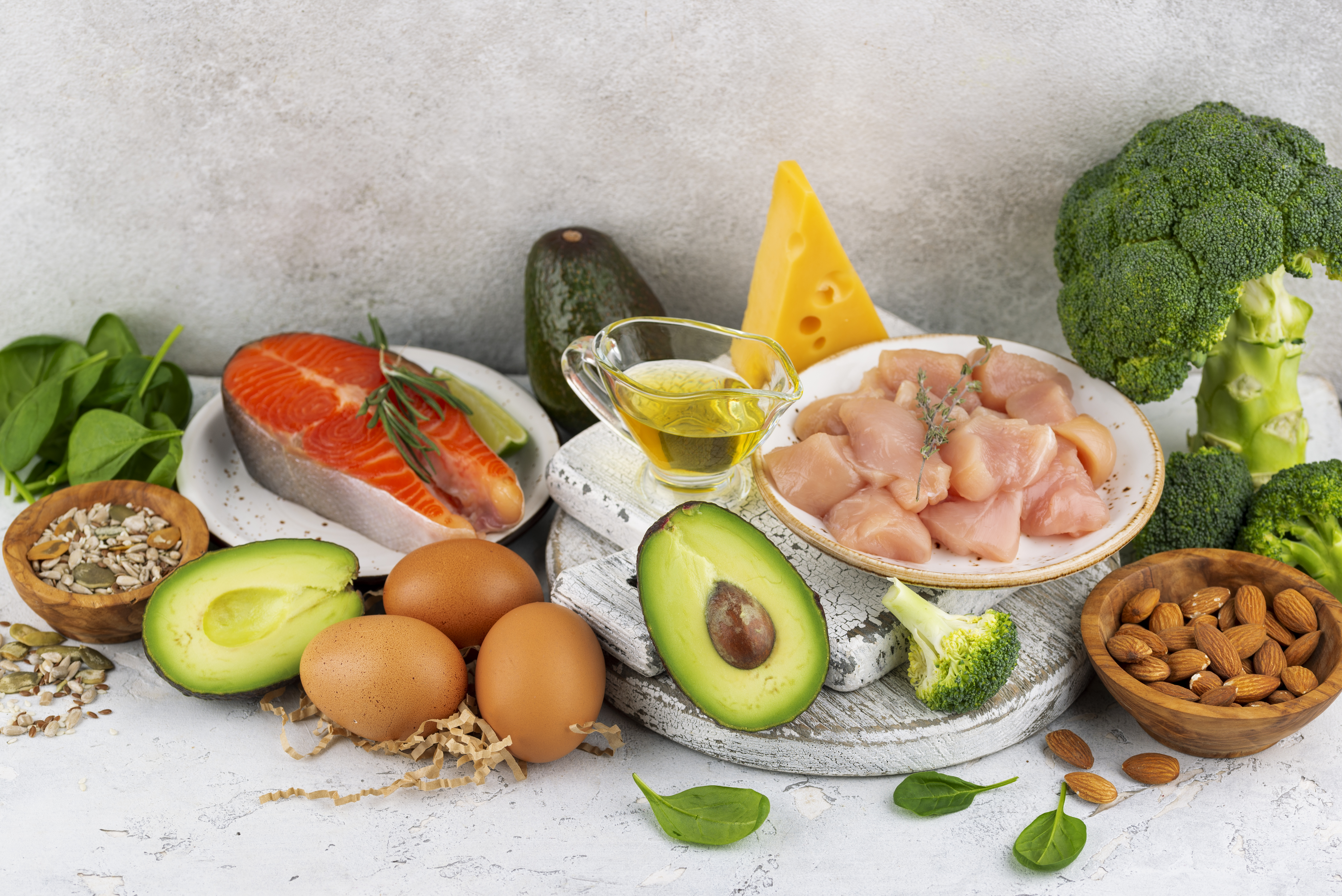
The traditional Mediterranean diet is based on foods available in countries around the Mediterranean Sea. The foundation for this healthy diet approach includes
- an abundance of plant-based foods, including vegetables, fruits, herbs and spices, whole grains, nuts, seeds and legumes. These plant-based foods are minimally processed, grown locally and freshly harvested
- olive oil – the primary source of fat
- cheese and yogurt, consumed daily in low to moderate amounts
- fish, seafood and poultry, consumed in low to moderate amounts a few times a week providing essential nutrients without the saturated fat found in red meat.
- red meat, consumed infrequently and in small amounts, very limited amount of saturated fatty acids.
- fresh fruit for dessert, with sweets - containing added sugar or honey - eaten only a few times each week.
Why is the Mediterranean Diet approach effective for patients with liver disease?
1)Primary focus on plant-based food
Plant-based foods are high in nutrients, rich in vitamins (like C, E, and K), minerals (like
magnesium, potassium, and iron), and antioxidants. Plant foods are rich in polyphenols,
antioxidants, and phytochemicals, which reduce oxidative stress and inflammation—key drivers of progression from simple steatosis to Metabolic Dysfunction-Associated Steatohepatitis (MASH). A plant-based diet promotes a diverse and beneficial gut microbiome (7), which is increasingly recognized as an important factor in liver health and gut-liver axis integrity. Plant based foods are high in fiber that helps with digestion, blood sugar control, and lowering cholesterol. High fiber diets keep you full longer and help with weight management. Important for patients with MASLD, high fiber and low saturated fat content in plant-based diets (especially whole-food plant-based) are associated with a reduction in hepatic steatosis (8).
Natural fiber improves insulin sensitivity and glycemic control, both of which are critical in
reducing de novo lipogenesis (fat production in the liver). MAFLD is closely linked to insulin resistance. Plant-based diets have low glycemic load and help stabilize blood glucose and insulin levels. Calorie density of plant-based diets is typically lower, aiding in weight reduction, which is the cornerstone of MAFLD management. Even 5–10% weight loss has been shown to significantly improve liver histology (9-10). Diets low in saturated and high in unsaturated fats (from nuts, seeds, and plant oils) help reduce LDL cholesterol and triglycerides, both risk factors for MAFLD progression.
2) Extra virgin olive oil: the primary source of fat
Incorporating Extra virgin olive oil (EVOO) into one’s diet can be a pivotal component in the management and potential reversal of MASLD. Research shows that EVOO reduces hepatic steatosis, hepatocyte ballooning, and fibrogenesis, and prevents lipid peroxidation (11). Its high levels of monounsaturated fatty acids - about 73% oleic acid - and phenolic compounds activate signaling pathways that prevent inflammation, oxidative stress, and insulin resistance (12). EVOO also contains powerful compounds like polyphenols and vitamin E, which help neutralize oxidative stress, a major factor in liver cell damage and disease progression.
3) Yoghurt and cheeses in moderation
Incorporating fermented dairy products like yoghurt and cheese into the diet can be a valuable component in the comprehensive management of MASLD. Research indicates that fermented dairy products can increase gut microbiome diversity and promote the growth of beneficial bacteria like Bifidobacterium. These changes are associated with reduced hepatic steatosis and inflammation in MAFLD models (13). A healthy gut microbiome plays a critical role in the gut-liver axis (14). Yogurt and cheese are good sources of complete protein, which supports lean muscle mass and can help with weight loss or maintenance, both key in managing MAFLD. Dairy products are rich in calcium and Vitamin D, which are nutrients supporting metabolic health, insulin sensitivity, and anti-inflammatory pathways. Fermented low-fat dairy products (e.g., plain yogurt, kefir, some cheeses) may modestly reduce LDL cholesterol and triglycerides or improve HDL cholesterol levels (15). The cornerstone of MASLD treatment is the reduction in the total calorie intake. High protein fermented dairy products can enhance satiety which helps
with weight loss in this patient population.
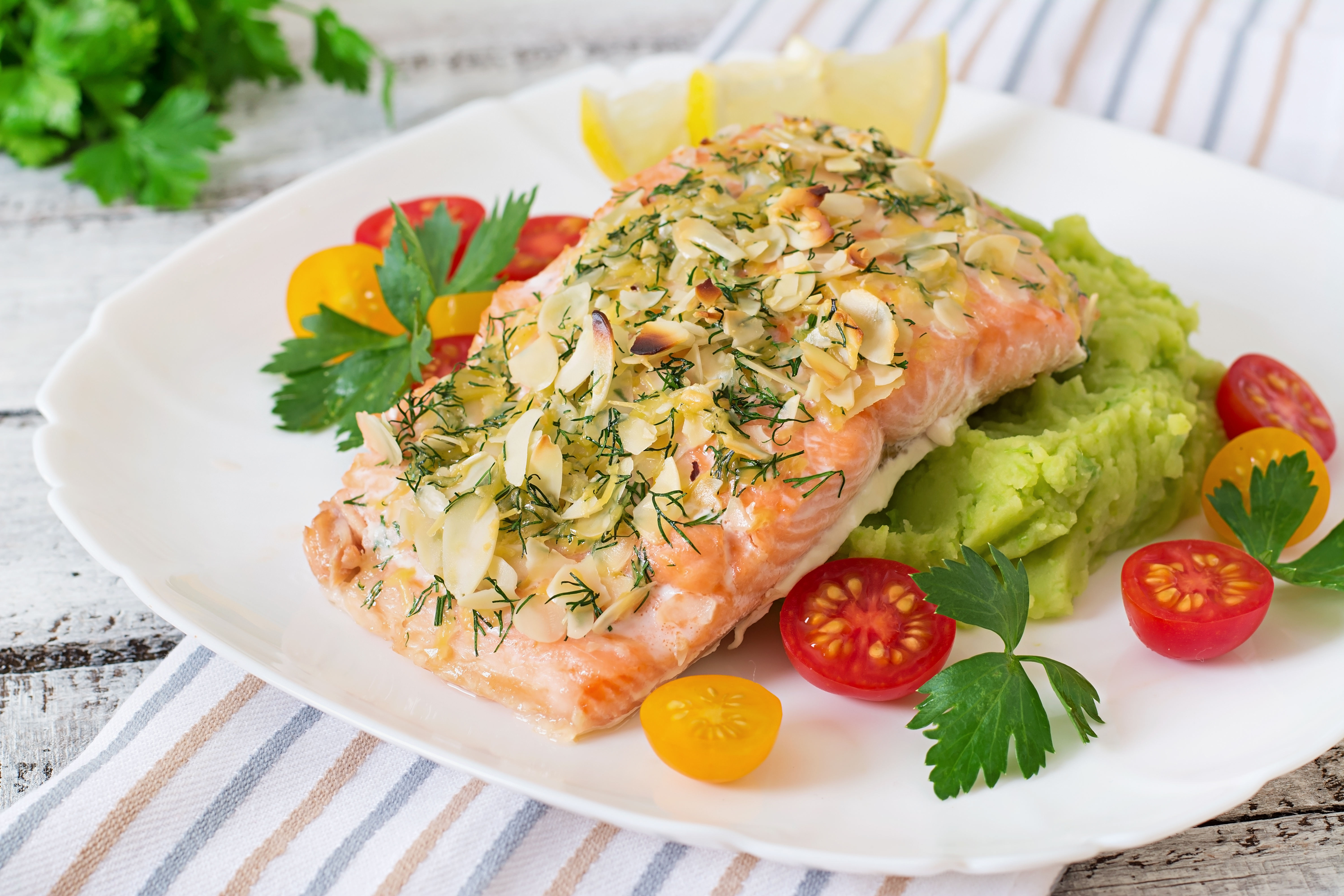
4) Fish, seafood and poultry in moderation
Fatty fish are nutritional powerhouses, especially valuable for liver and metabolic health, due to their high content of essential vitamins, omega-3 fatty acids, and bioavailable nutrients, particular for individuals with conditions like MASLD (16-17).
Fatty fish – like salmon – is one of the richest natural food sources of vitamin D. Vitamin D
supports insulin sensitivity, immune regulation, anti-inflammatory pathways. Low vitamin D is common in MAFLD and is associated with worse liver inflammation and fibrosis (18). For example, 100g of salmon would cover 100% of the recommended dietary intake recommendation for vitamin D in adults. Salmon, mackerel, sardines, and tuna are all good
sources of Vitamin B12, which is important for red blood cell formation, nerve health and
energy metabolism. It also helps reduce homocysteine levels, which are linked to cardiovascular risk, an important concern in MAFLD.
Niacin – Vitamin B3 – supports lipid metabolism, reduction of LDL, cholesterol and triglycerides, improved liver enzyme levels and may be beneficial in improving liver steatosis when combined with lifestyle changes.
Fatty fish (liver oils) are (for example cod liver oil) especially high in pre-formed vitamin A.
Vitamin A is important for vision, immune function, liver health and antioxidant activity.
The vitamin content in fatty fish works synergistically with omega-3s - Eicosapentaenoic Acid (EPA)and Docosahexaenoic Acid (DHA) to reduce hepatic inflammation, improve lipid profiles and lower oxidative stress.
Fish, seafood and skinless poultry in low to moderate volumes of consumption provide high-quality, lean protein that helps maintain muscle mass during weight loss, improve satiety and therefore reduce overall calorie intake, support metabolic rate and insulin sensitivity. Fatty fish: like salmon, mackerel, sardines, tuna and trout are high in EPA and DHA, which reduces liver fat accumulation, lower inflammation and oxidative stress and improve triglyceride levels. Consumption of fatty fish may slow progression from simple steatosis to metabolic dysfunction-associated steatohepatitis (MASH). Skinless poultry and most seafood are lower in saturated fat than red or processed meats and therefore help reduce hepatic fat accumulation, insulin resistance, and lipotoxicity. MAFLD patients are at high risk for cardiovascular disease. Fish and seafood improve lipid profiles and lower cardiovascular risk markers, such as LDL cholesterol, triglycerides and blood pressure.
5) Limitation of red meat
Limiting red meat is recommended for patients with MAFLD because its risks often outweigh its nutritional benefits in the context of liver and metabolic health. While red meat can provide essential nutrients, its excess consumption is linked to MAFLD progression and other metabolic disorders (16-17). Red meat – especially fatty cuts - contain high levels of saturated fatty acids which is a key driver of de novo lipogenesis (fat production in the liver). Saturated fatty acids can promote hepatic fat accumulation, worsen insulin resistance, and increase liver inflammation. Higher consumption of red meat is linked to an increased risk of MAFLD and MASH. Especially higher consumption of processed meats like bacon, sausages etc. are associated with increased liver enzyme levels (ALT, AST), greater liver fat content and higher risk of progression to MASH and fibrosis (19). Red meat is rich in heme iron which can accumulate in the liver, contribute to oxidative stress and fibrosis and is especially risky in individuals with metabolic syndrome or insulin resistance. In small amounts red meat has nutrient benefits of being high in protein, iron, zinc and vitamin B12 and lean cuts can support muscle mass accumulation but in higher amounts the risks out way benefits.
6) Use fresh fruits for desserts and limit added sugar and honey consumption
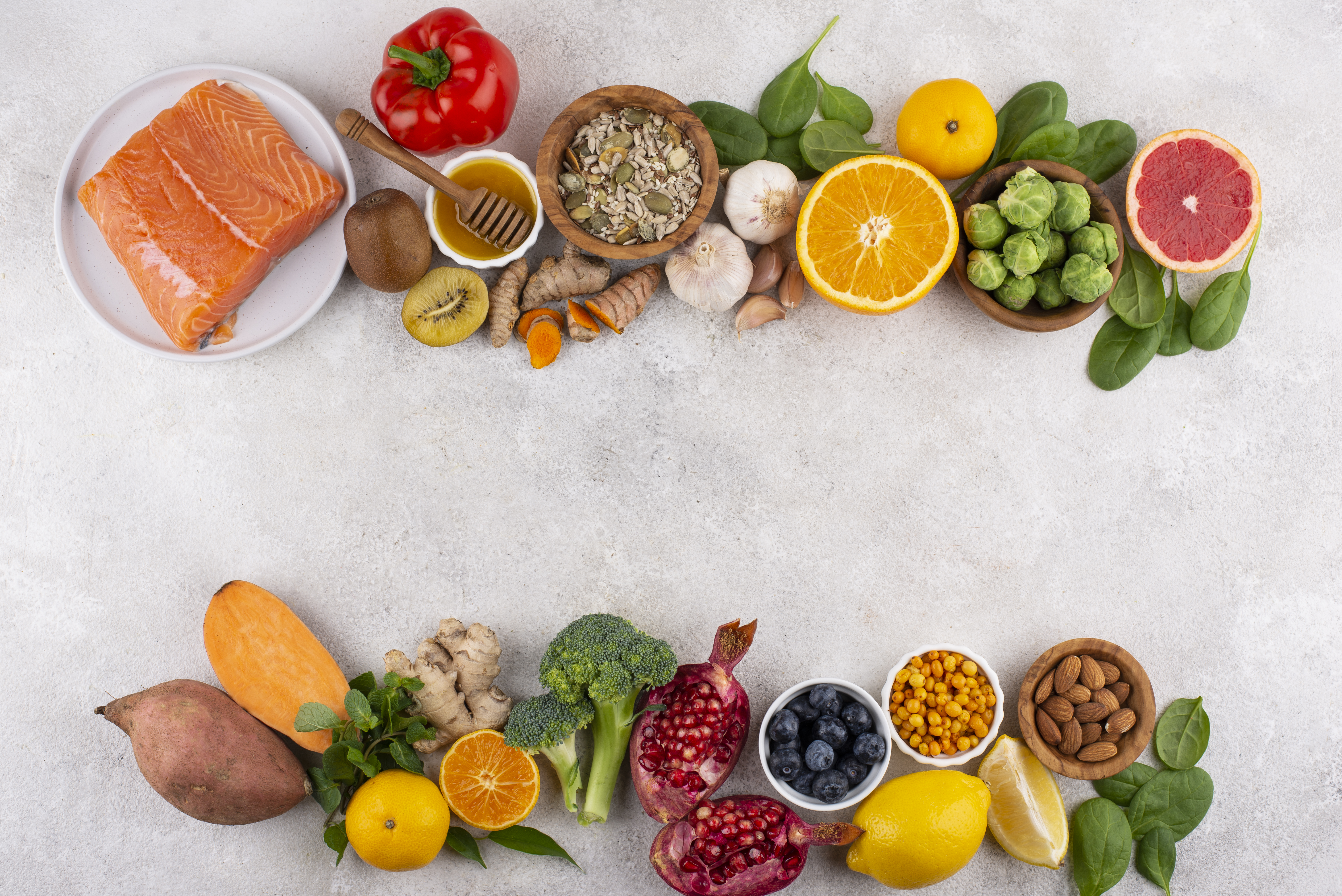
Fresh fruit consumption offers multiple protective and therapeutic benefits for patients with MAFLD when consumed in moderation and as part of a whole-food diet. Despite concerns about fruit sugars, whole fresh fruit is beneficial—not harmful—due to its fiber, antioxidants, and low energy density (20). Fruits, especially berries, plums, citrus, grapes and apples, are rich in antioxidants and polyphenols like Vitamin C, flavonoids, anthocyanins, and carotenoids. These compounds reduce oxidative stress and inflammation, both of which contribute to steatosis and liver injury (21).
Anthocyanins in berries and resveratrol in grapes for example have shown
liver-protective effects in MAFLD studies. Fresh fruits are also high in fiber. Soluble fiber in fruits help improve insulin sensitivity, lower LDL cholesterol and reduce hepatic fat accumulation. Fiber also slows the absorption of natural sugars, blunting glycemic response and preventing lipogenesis.
Most fruits are low in calories and have a high water and fiber content which
promotes weight loss or maintenance and helps reduce overall caloric intake which is crucial in MAFLD management. Consumption of fresh fruit improves lipid and glucose metabolism. Fruit support lower triglycerides and total cholesterol, improved fasting glucose and HbA1c. These metabolic improvements contribute to less liver fat and inflammation. Observational studies link higher fruit intake with reduced progression from simple steatosis to MASH or fibrosis.
Anti-inflammatory compounds in fruit may modulate fibrogenic signaling pathways in the liver.
How to incorporate the Mediterranean diet
approach in your daily life:
Small habits and diet changes can have a major impact on your overall quality of life. Here are some small changes you can make. Pick one change every week and incorporate it gradually.
Start with the changes you think will be the easiest.
• Prioritize extra virgin olive oil as your main source of fat. Start by using olive oil in
cooking and try new salad dressings with olive oil as the base. Finally, use olive oil in
place of butter on your crusty bread.
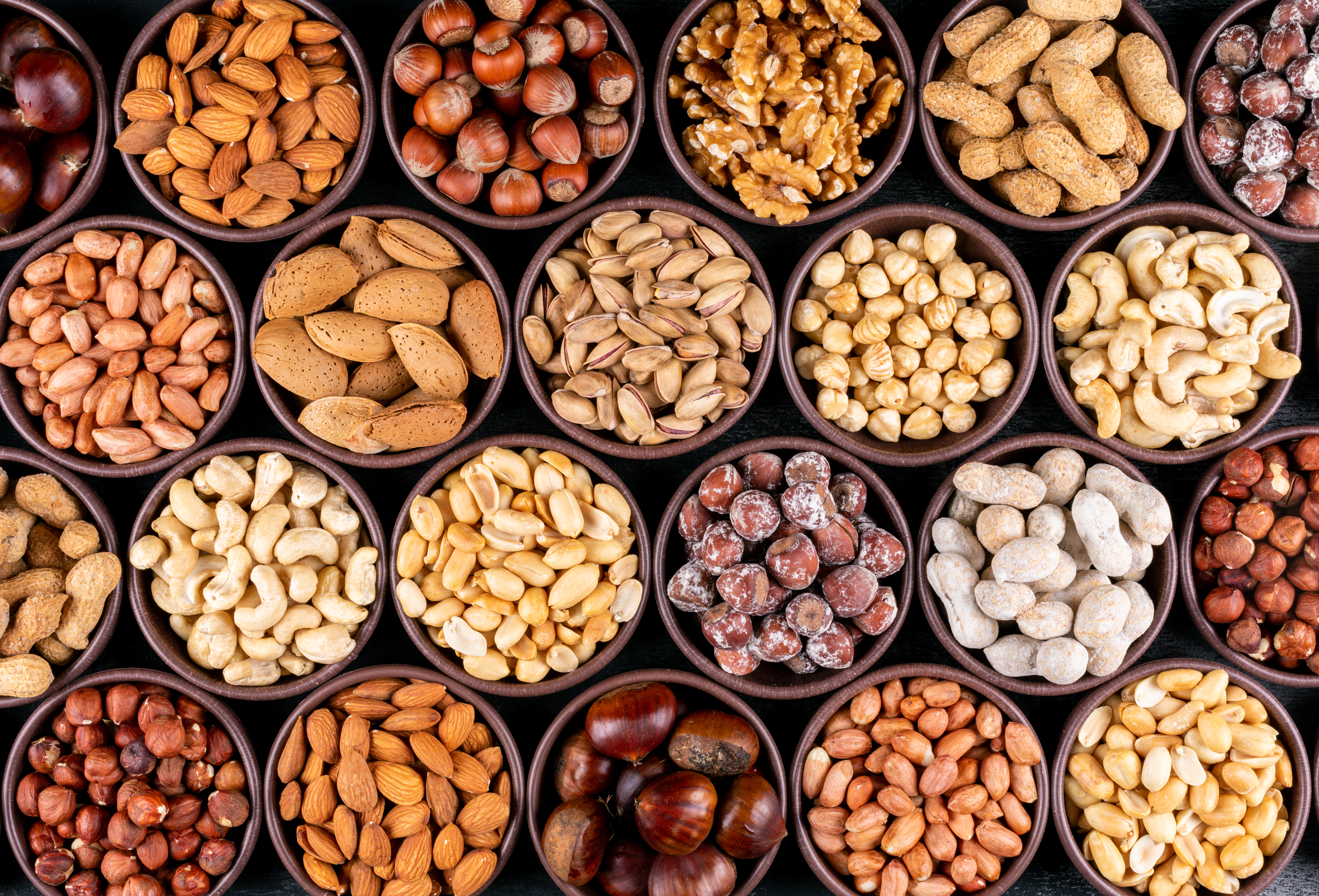
• Eat nuts and olives. Consume a handful of raw nuts every day as a healthy replacement
for processed snacks.
• Add whole-grain bread or other whole grains to your meal. Select dense, chewy, grainy
loaves of bread without added sugar or butter. Experiment with bulgur, barley, farro,
couscous, and whole-grain pasta.
• Begin or end each meal with a salad. Choose the full variety of leafy crisp, dark greens
and choose seasoned vegetables.
• Add more and different vegetables to the menu. Add an extra serving of vegetables to
both lunch and dinner, aiming for three to four servings a day. Try a new vegetable
every week.
• Eat at least three servings a week of legumes. Options include lentils, chickpeas, beans,
and peas.
• Eat less meat. Choose lean poultry in moderate, 3- to 4-ounce portions. Save red meat
for occasional consumption or use meat as a condiment, accompanied by lots of
vegetables, as in stews, stir-fries, and soups. Eat more fish, aiming for two to three
servings a week. Both canned and fresh fish are fine.
• Cut out sugary beverages. Replace soda and juices with water.
• Eat less high-fat, high-sugar desserts. Fresh or poached fruit is best. Aim for three
servings of fresh fruit a day. Save cakes and pastries for special occasions.
•Seek out the best quality food available. Farmer's markets are an excellent source of
locally grown, seasonal foods.
Finally, try to have dinner as a family as often as possible. Food as a communal, shared
experience is a big part of the Mediterranean approach.
Incorporate the Mediterranean diet into your daily menu
Breakfast ideas:
• plain Greek yogurt topped with nuts and fresh berries
• vegetable omelet made with mushrooms, spinach, and onions cooked in olive oil with
crusty whole-grain bread
• whole-grain bread topped with a small amount of low-fat cheese and slices of fresh
tomato, drizzled with a little extra virgin olive oil
Lunch ideas:
• Greek salad made with chopped mixed greens, kalamata olives, tomatoes, fresh parsley,
feta cheese. Dress with extra virgin olive oil and freshly squeezed lemon
• chickpea and faro salad with red peppers, spring onions, and fresh oregano, dressed
with extra virgin olive oil and lemon juice
• vegetarian pizza topped with part-skim mozzarella cheese, roasted broccoli, onions,
green peppers, and carrots
Dinner ideas:
• grilled vegetable kabobs with shrimp, toasted quinoa salad, and mixed green salad with
pine nuts
• chicken stir-fried in olive oil with broccoli, cauliflower, asparagus, and yellow peppers,
served over brown rice
• steamed mussels with spinach-orzo salad and minestrone soup
References
- Marjot T, Moolla A, Cobbold JE, Hodson L, Tomlinson JW. Nonalcoholic fatty liver disease in adults: current concepts in etiology outcomes, and management. Endocr Rev. (2020) 41:66-117. doi: 10.1210/endrev/bnz009.
- Salas-Salvado J, Guasch-Ferre M, Lee CH, Estruch R, Clish CB, Ros E. Protective Effects of the Mediterranean Diet on Type 2 Diabetes and Metabolic Syndrome. J Nutr 2016;146(Suppl):920S-7S.
- Sanchez-Sanchez ML, Garcia-Vigara A, Hidalgo-Mora JJ, Garcia-Perez MA, Tarin J, Cano A. Mediterranean diet and health: A systematic review of epidemiological studies and intervention trials. Maturitas 2020; 136:25-37.
- Zaslavsky O, Zelber-Sagi S, Shikany JM, Orchard T, Wallace R, Snetselaar L, Tinker L. J Nutr Gerontol Geriatr. 2018; 37(3-4): 269-281. doi:10.1080/21551197.2018.1496217.
- Mambrini SP, Grillo A, Colosimo S, Zarpellon F, Pozzi G, Furian D, Amodeo G, Bertoli S. Diet and physical exercise as key players to tackle MASLD through improvement of insulin resistance and metabolic flexibility. Front Nutr 11:1426551. doi: 10.3389/fnut.2024.1426551.
- Xiao Y, Zhang X, Yi D, Qiu F, Wu L, Tang Y, Wang N. Mediterranean diet affects the metabolic outcome of metabolic dysfunction-associated fatty liver disease. Front Nutr. 10:1225946. doi: 10.3389/fnut.2023.1225946.
- De Filippis F, Pellegrini N, Vannini L, Jeffrey IB, La Storia A, Laghi L, Serrazanetti DI, Di Cagno R, Ferrocino I, Lazzi C, Turroni S, Cocolin L, Brigidi P, Neviani E, Gobbetti M, O'Toole PW, Ercolini D. Gut 2016; 65:1812-1821.
- Zhu Y, Yang H, Zhang Y, Rao S, Mo Y, Zhang H, Liang S, Zhang Z.; Yang W. Dietary fiber intake and non-alcoholic fatty liver disease: The mediating role of obesity. Front. Public Health 2023, 10, 1038435.
- Vilar-Gomez E, Martinez-Perez Y, Calzadilla-Bertol L, Torres-Gonzalez A, Gra-Oramas B, Gonzalez-Fabian L, et al. Weight loss through lifestyle modification significantly reduces features of nonalcoholic steatohepatitis. Gastroenterology 2015; 149: 367-378.e5. doi: 10.1053/j.gastro.2015.04.005.
- Friedman SL, Neuschwander-Tetri BA, Rinella M, Sanyal AJ. Mechanisms of NAFLD development and therapeutic strategies. Nat Med 2018;24: 908-22. doi: 10.1038/s41591-018-0104-9.
- Soto-Alarcon SA, Valenzuela R, Valenzuela A, Videla LA. Liver protective effects of extra virgin olive oil: interaction between its chemical composition and the cell-signaling pathways involved in protection. Endocr Metab Immune Disord Drug Targets. 2018; 18(1): 75-84. doi:10.21741/1871530317666171114120552.
- Tedesco CC, Bonfiglio C, Notarnicola M, Rendina M, Castellaneta A, Di Leo A, Gianuelli G, Fontana L. High extra virgin olive oil consumption is linked to a lower prevalence of NAFLD with a prominent effect in obese subjects: results from the MICOL study. Nutrients 2023; 15: 4673. doi:10.3390/nu15214673.
- Zheng Y, Hou J, Guo S, Song J. The association between the dietary index for gut microbiota and metabolic dysfunction-associated fatty liver disease: a cross-sectional study. Diabetes and Metabolic Syndrome 2025; 17:17. doi: 10.1186/s13098-025-01589-9.
- Zhu L, Ying N, Hao L, Fu A, Ding Q, Cao F, Ren D, Han Q, Li S. Probiotic yoghurt regulates gut microbiota homeostasis and alleviates hepatic steatosis and liver injury induced by high fat diet in golden hamsters. Food Sci Nutr. 2024; 12:2488-2501.
- Ziaei R, Ghavami A, Khalesi S, Ghiasvand R, Mokari-Yamchi A. The effect of probiotic fermented milk products on blood lipid concentrations: A systematic review and meta-analysis of randomized controlled trials. Nutrition, Metabolism & Cardiovascular Diseases 2021; 31:997-1015. doi: 10.1016/j.numecd.2020.12.023.
- Zivkovic AM, German JB, Sanyal AJ. Comparative review of diets for the metabolic syndrome: implications for nonalcoholic fatty liver disease. Am J Clin Nutr 2007; 86: 285-300.
- Kargulewicz A, Stankowiak-Kulpa H, Grzymislawski M. Dietary recommendations for patients with nonalcoholic fatty liver disease. Prz Gastroenterol 2014; 9 (1):18-25. doi: 10.5114/pg2014.40845.
- Ebrahimpour-Koujan S, Sohrabpour AA, Giovannucci E, Vatannejad A, Esmaillzadeh A. Effects of vitamin D supplementation on liver fibrogenic, vitamin D receptor and liver fibrogenic micro RNAs in metabolic dysfunction-associated steatotic liver disease (MASLD) patients: an exploratory randomized clinical trial. Nutrition Journal 2024; 23:24. doi: 10.1186/s12937-024-00911-x.
- Ivancovsky-Wajcman D, Fliss-Isakov N, Grinskpan LS, Salomone F, Lazarus JV, Webb M, Shibolet O, Kariv R, Zelber-Sagi S. High Meat Consumption is prospectively associated with the risk of non-alcoholic fatty liver disease and presumed significant fibrosis. Nutrients 2022; 14: 3533. doi: 10.3390/nu14173533.
- Wang R, Yan R, Jiao J, Li F, Zhang H, Chang Z, Wei H, Yan S, Li J. Fruit and vegetable intake and the risk of non-alcoholic fatty liver disease: a meta-analysis of observational studies. Front Nutr 2024; 11:1398184. doi: 10.3389/fnut.2024.1398184.
- Kim JS, Hong S-M, Kim D-K, Cho Y-E. Protective effects of plum on liver and gut injury in metabolic dysfunction-associated fatty liver disease. Nutrients 2024; 16:3760. doi: 10.3390/nu16213760.