


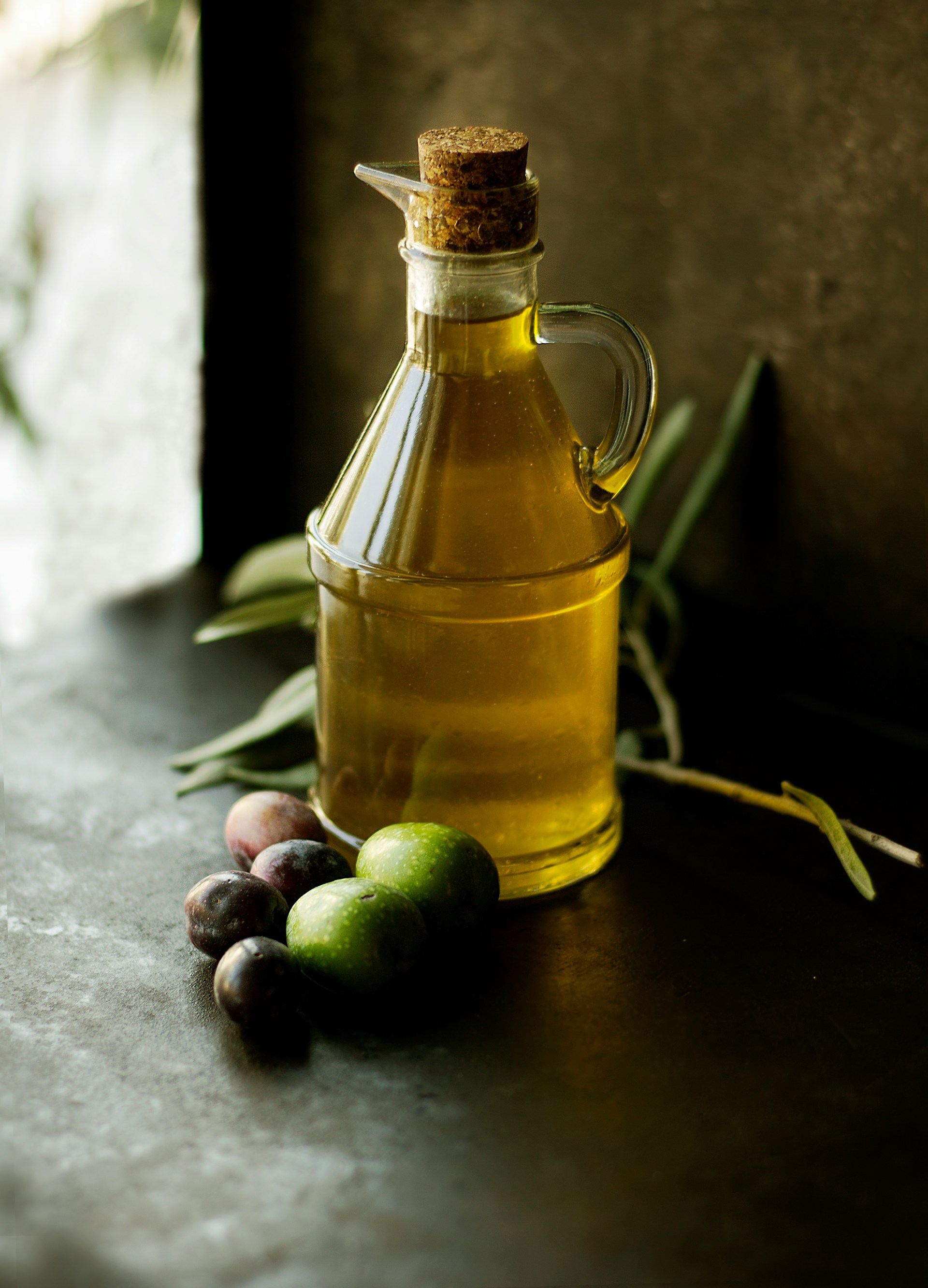
Extra-Virgin Olive Oil
- Extra-Virgin Olive Oil reduces liver fat and improves insulin sensitivity.
It is rich in polyphenols that reduce inflammation and oxidative stress.
We recommend 1–2 tablespoons/day
Coffee (including decaf)
- Coffee is one of the most proven liver-protective foods.
- Coffee lowers risk of fibrosis progression, cirrhosis, and HCC.
It increases antioxidant pathways and reduces fat accumulation.
We recommend 2-3 cups/day (as tolerated)


Berries
- Berries are high in anthocyanins → reduce oxidative damage and inflammation.
Berries may reduce liver enzymes and hepatic fat.
Best choices: blueberries, blackberries, cranberries
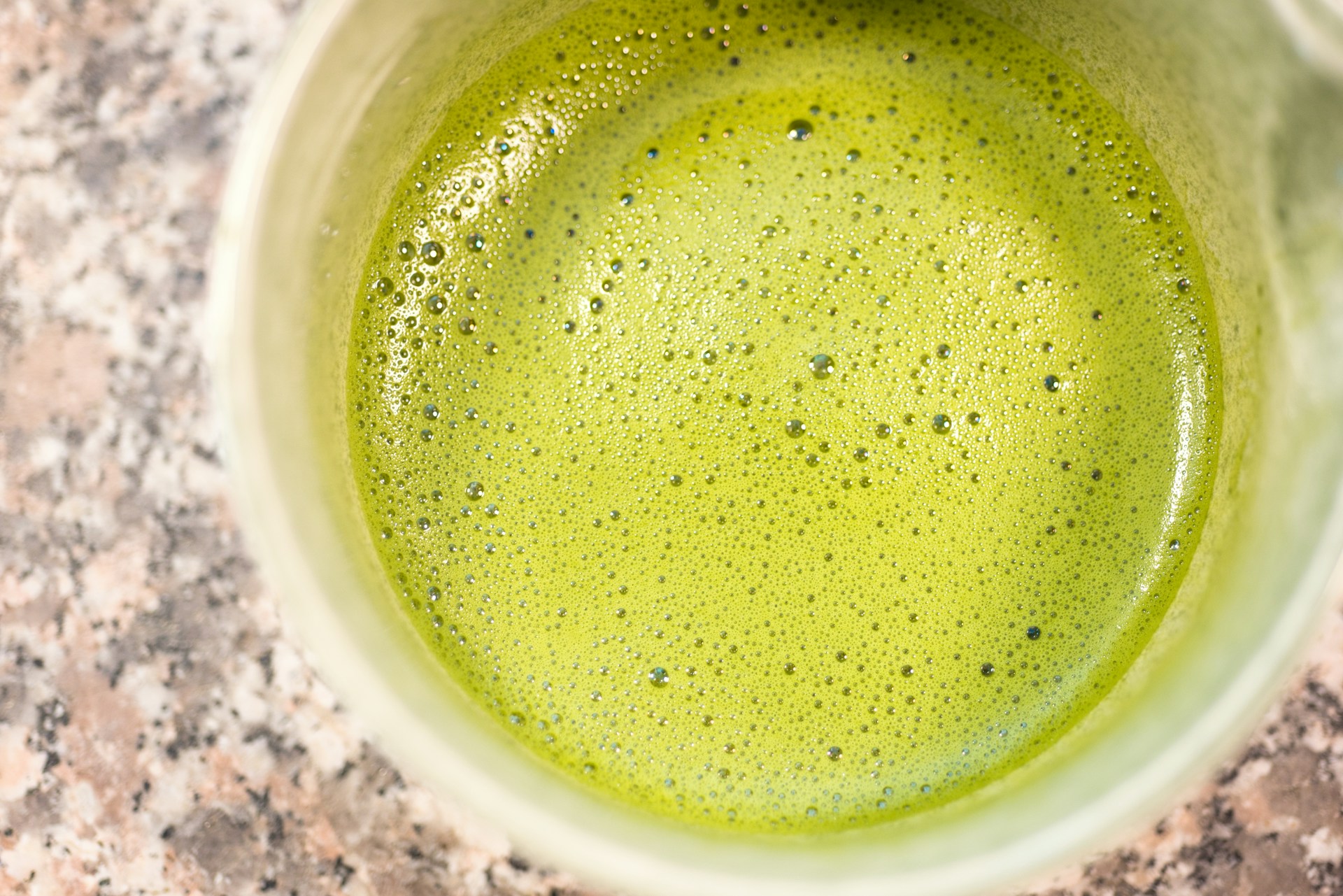
Green Tea / Matcha
- Epigallocatechin gallate (EGCG) the most abundant, powerful antioxidant polyphenol in green tea and catechins reduce liver fat and improve metabolic parameters.
Antioxidant and anti-inflammatory.
We recommend natural consumption of tea, please avoid supplements (risk of hepatotoxicity).
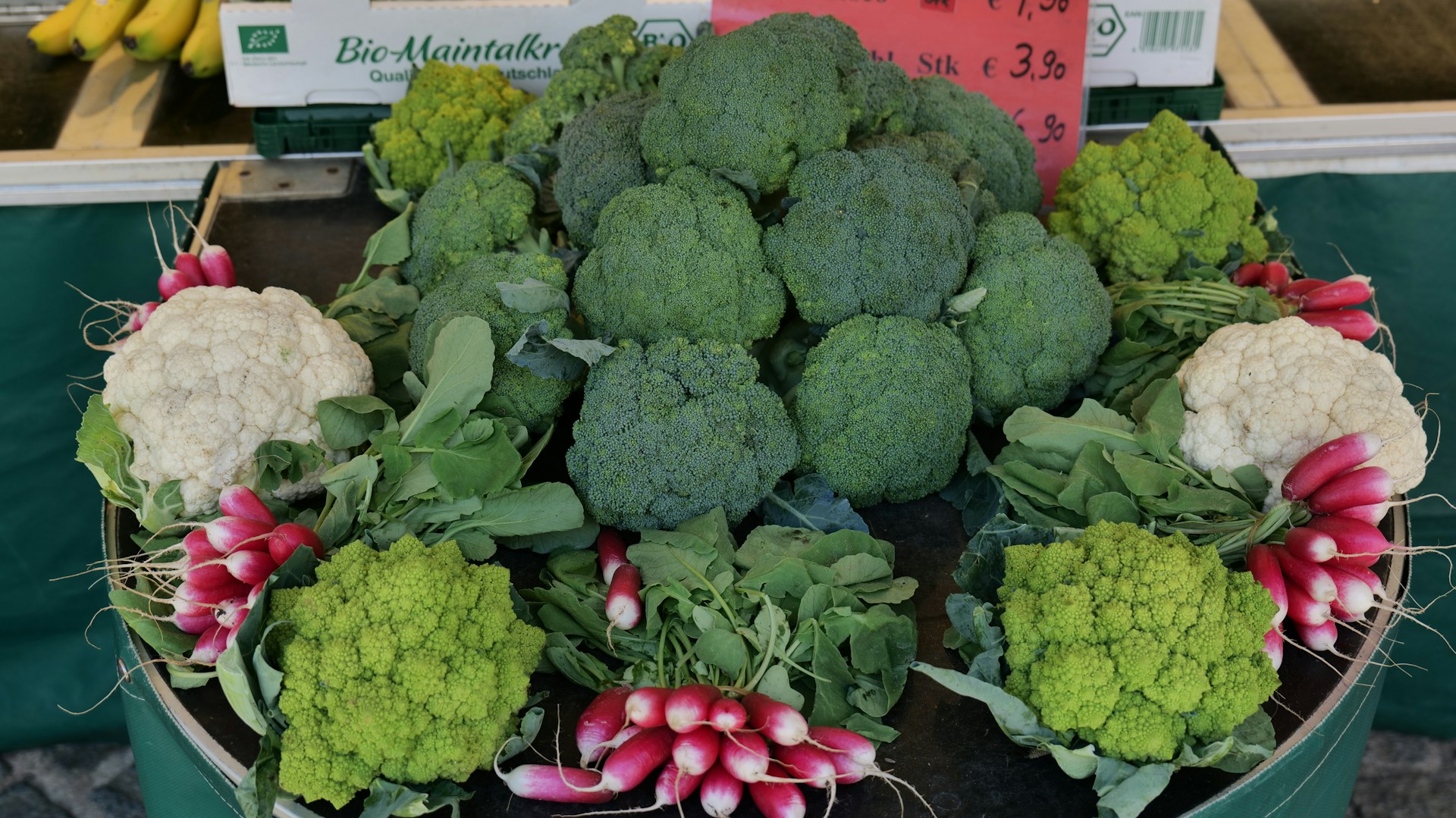
Cruciferous Vegetables
- Cruciferous vegetables activate detoxification enzymes (via sulforaphane).
They reduce liver inflammation and lipid accumulation.
We recommend the full variety of cruciferous vegetables.
Examples are: broccoli, cauliflower, brussels sprouts, kale, romanesco, cabbage, radish, turnip, bok choy, water cress, kohlrabi, arugula
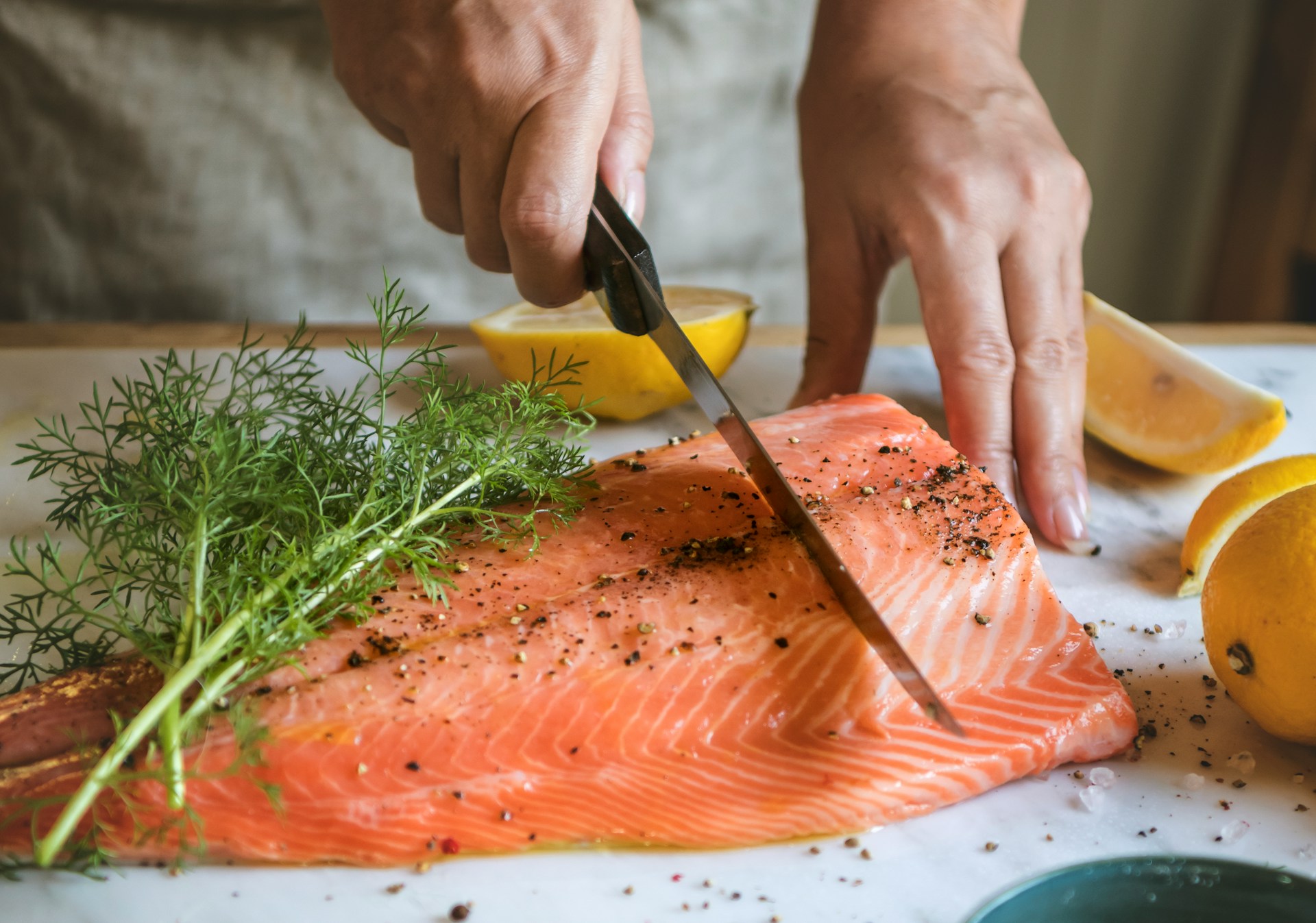
Fatty fish
- Fatty fish is high in omega-3s (EPA/DHA).
Fatty fish reduces hepatic triglycerides, improves VLDL export, and lowers inflammation.
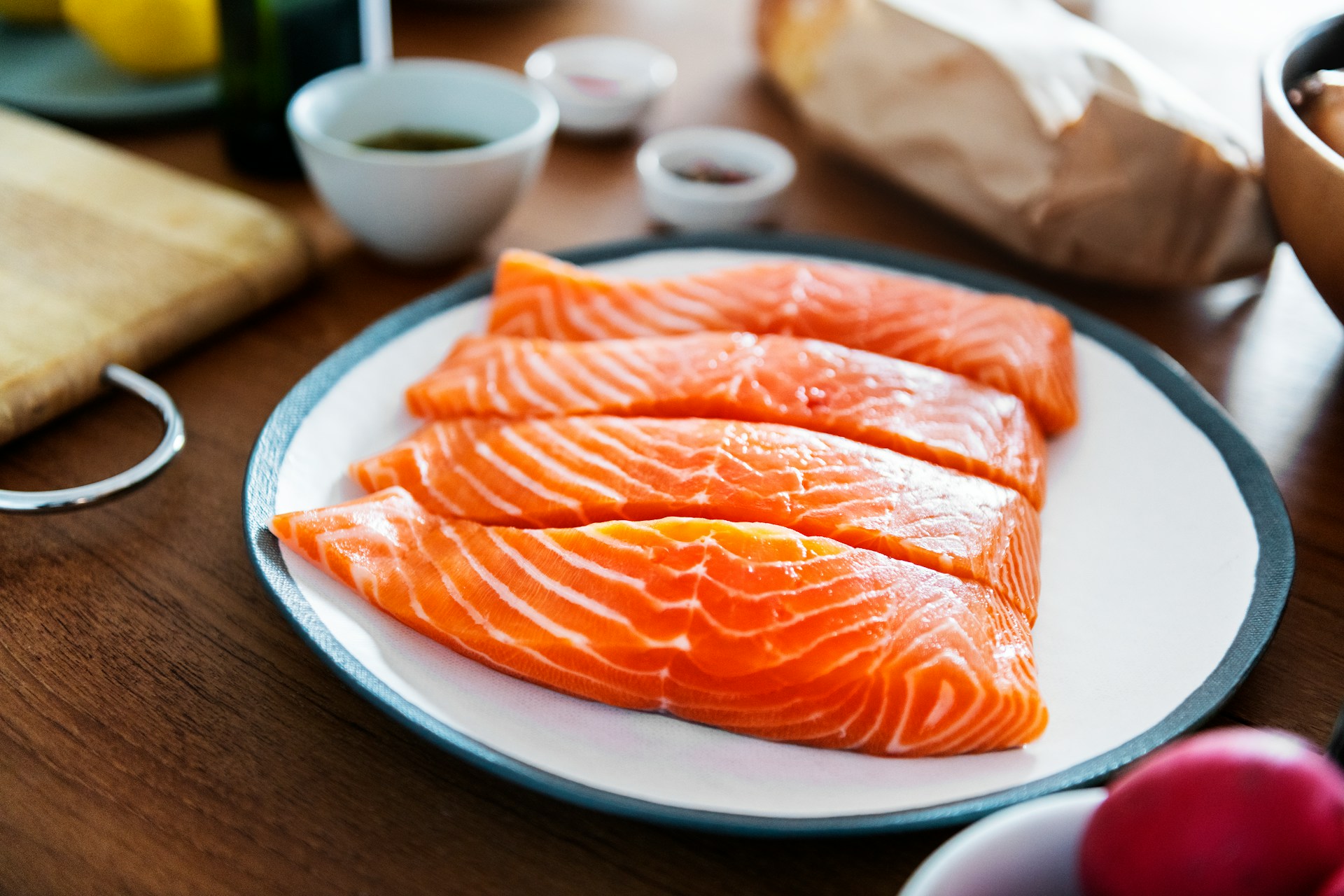
S-M-A-S-H stands for Salmon, Mackerel, Anchovies, Sardines, Herring are high in omega 3's and relatively low in mercury.
We recommend consumption at least 2 times per week for general cardiovascular health.
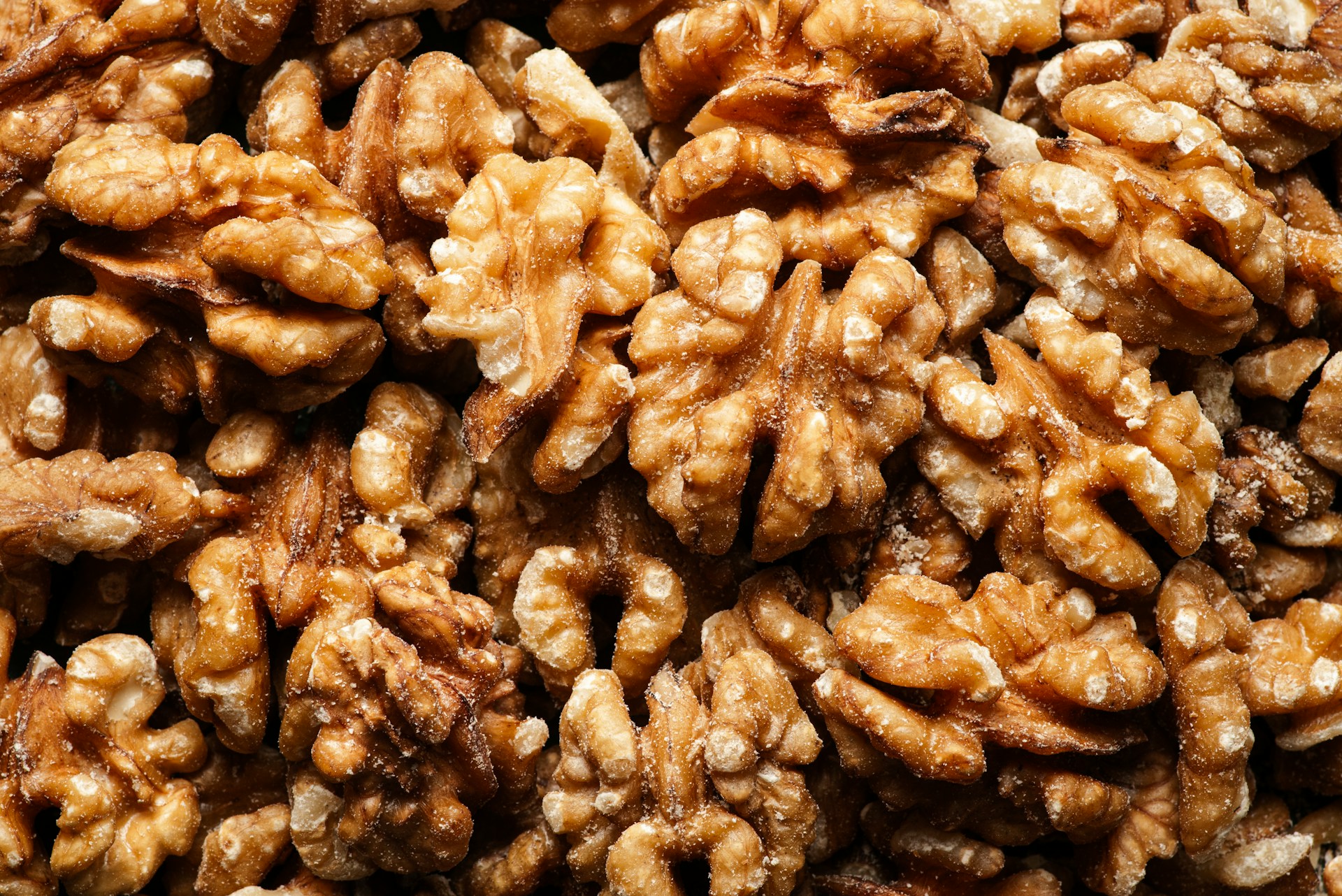
Walnuts
- Walnuts are a great plant source of omega-3 ALA.
They have shown to improve liver fat and metabolic markers in MASLD.
We recommend a small handful (1 oz) daily.
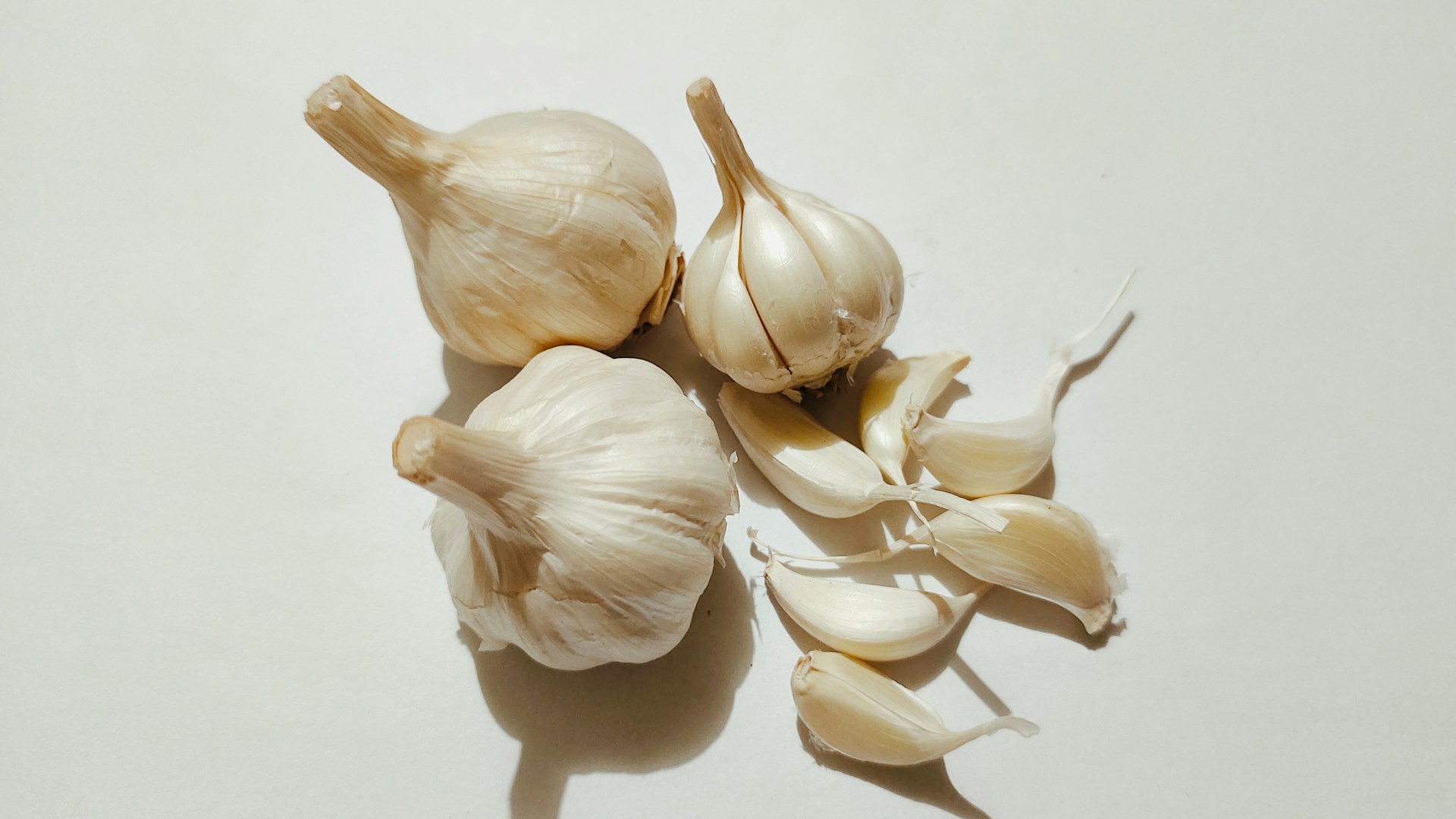
Garlic
- Garlic enhances insulin sensitivity.
Some trials show reduced liver fat.
We recommend consuming garlic raw, cooked or in powder form.
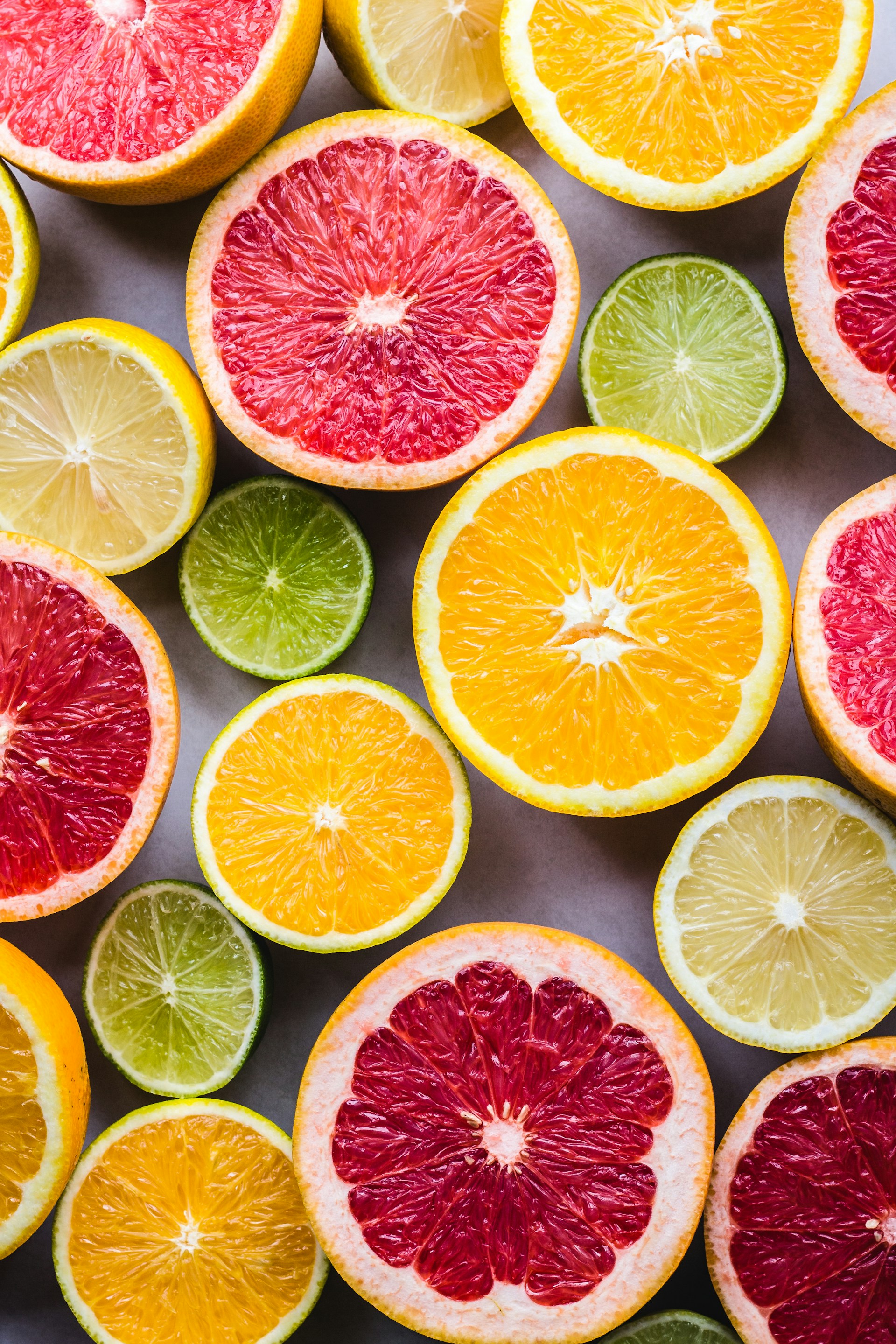
Citrus fruits
Naringenin and vitamin C lower inflammation and improve lipid metabolism
We recommend especially lemons, oranges, grapefruit (grapefruits are only recommended if patients are not using statins - statins can interact with grapefruit).
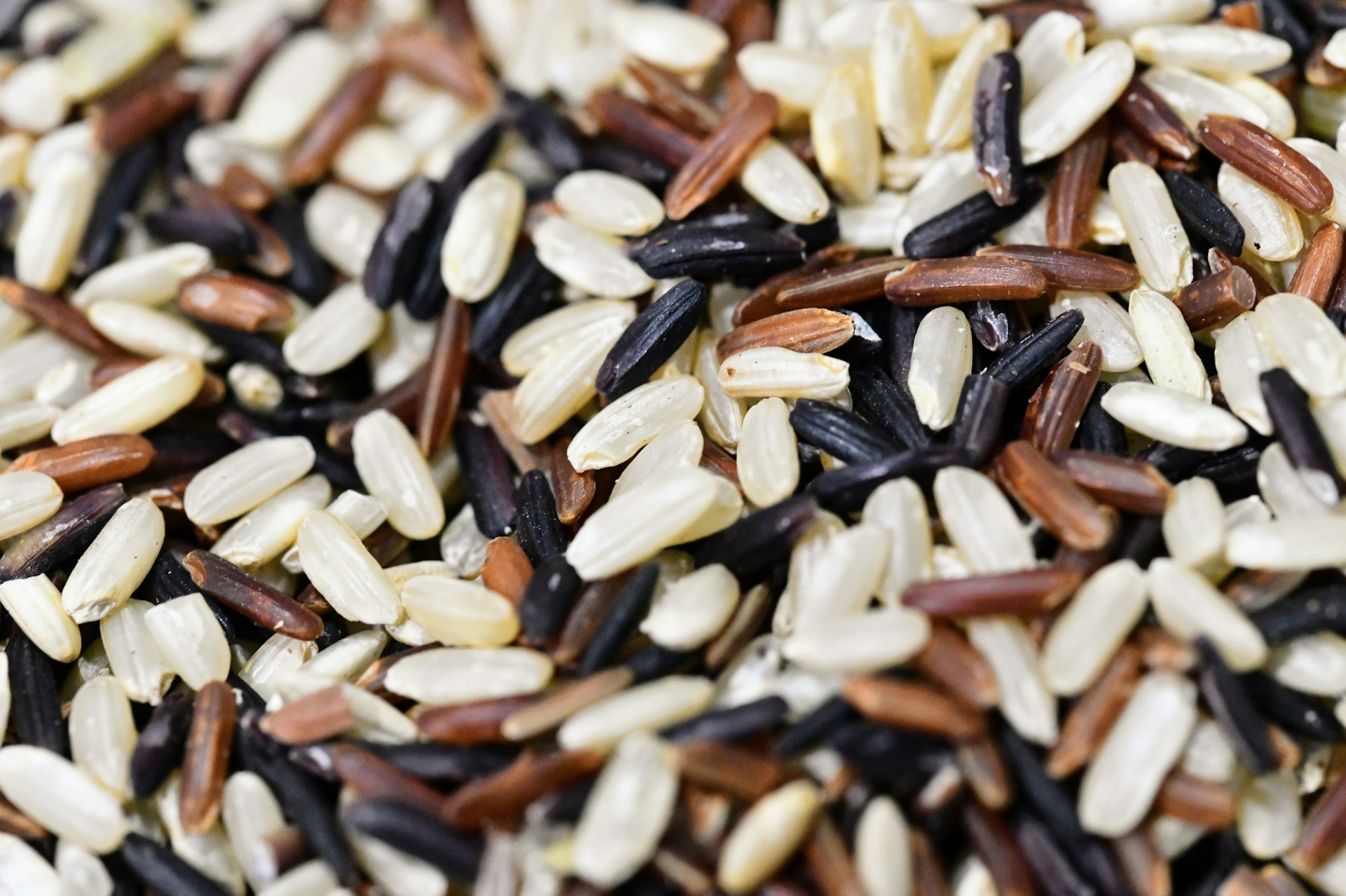
Whole grains
- Whole grain consumption improves insulin sensitivity.
It reduces hepatic fat compared to refined carbs.
Best choice: oats, barley, quinoa, farro, brown rice
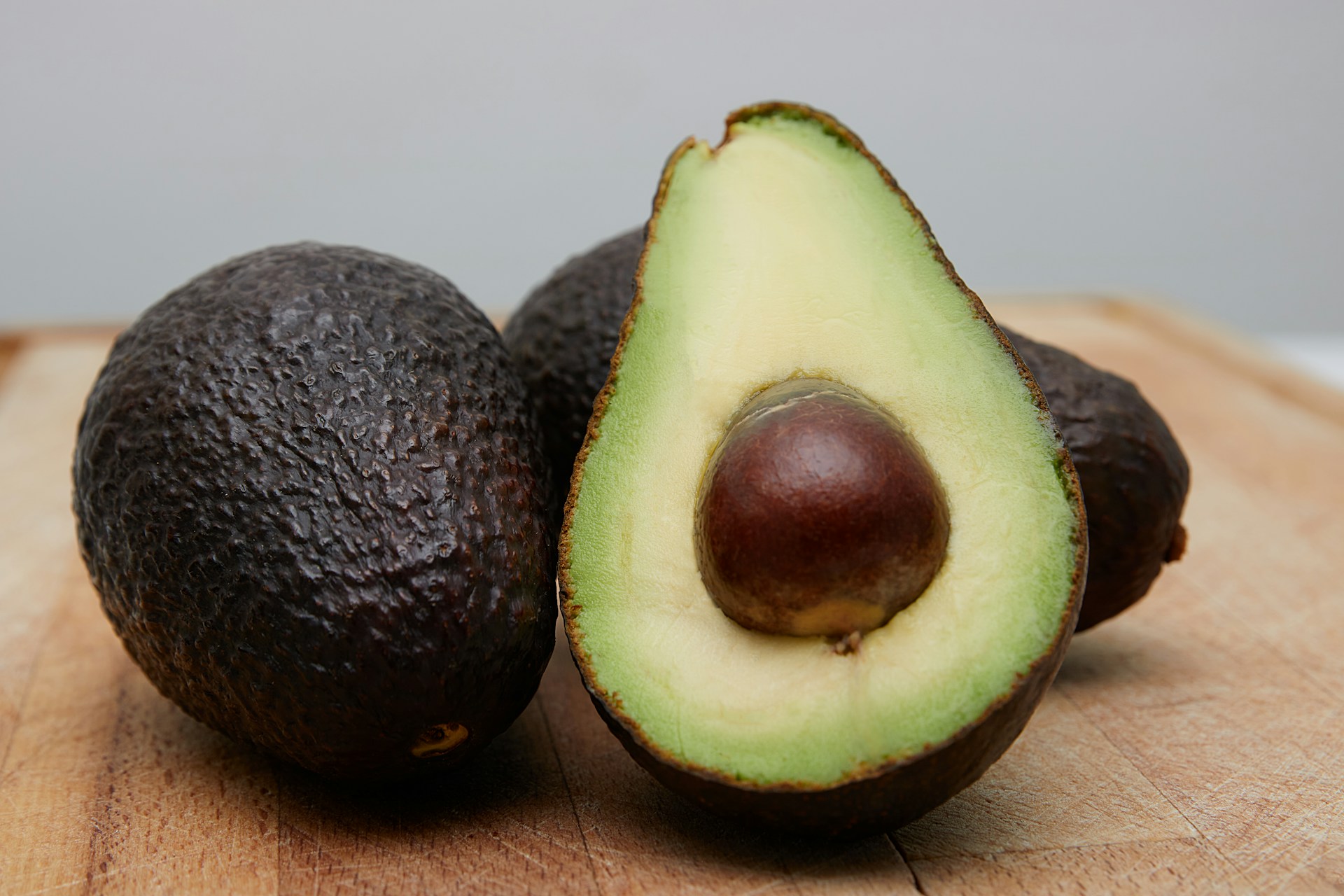
Avocados
- Avocados are high in monounsaturated fat (like olive oil).
- Avocado consumption improves lipid profiles and oxidative stress.
(functional foods, dietary supplements, herbal products, probiotics)
Vitamin E (RRR-α-tocopherol)
- Antioxidant, reduces new liver fat
- Improves steatosis, inflammation, and ballooning.
- Proven to reduce ALT in non-diabetic patients with MASH without cirrhosis
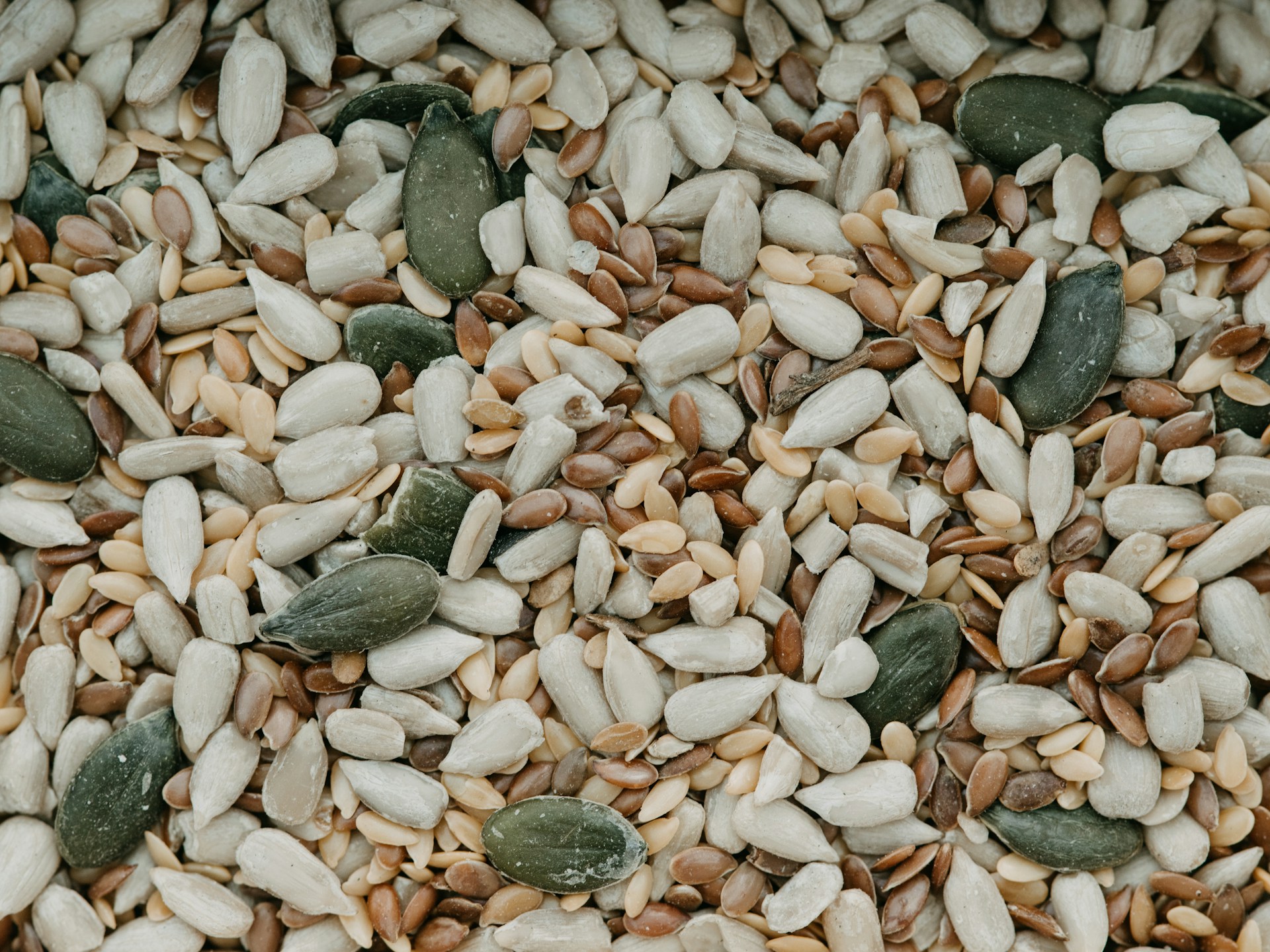
We recommend consuming vitamin E naturally through consumption of sunflower seeds, wheat germ, hazelnuts, almonds, olive oil, avocados, red bell pepper, spinach
We do not recommend high dose Vitamin E supplements - 800 IU/day - in patients with diabetes, cirrhosis, or cardiovascular risk without medical guidance.
Recent studies suggest Vitamin E supplement doses of 200-400 IU/day may be sufficient.
Omega-3 Fatty Acids (EPA/DHA)
- Reduces liver fat production, increases liver fat breakdown
- lower triglycerides
Dose: - For general cardiovascular health
~500 g of EPA + DHA/day
- For secondary prevention of CVD ~ 1g/day
- For treatment of hypertriglyceridemia ~ 2-4 g/day
(2g EPA + 1g DHA)
Check your omega 3 fatty acid index (aim for >/= 8% for optimal health)
Probiotics / Synbiotics Acids
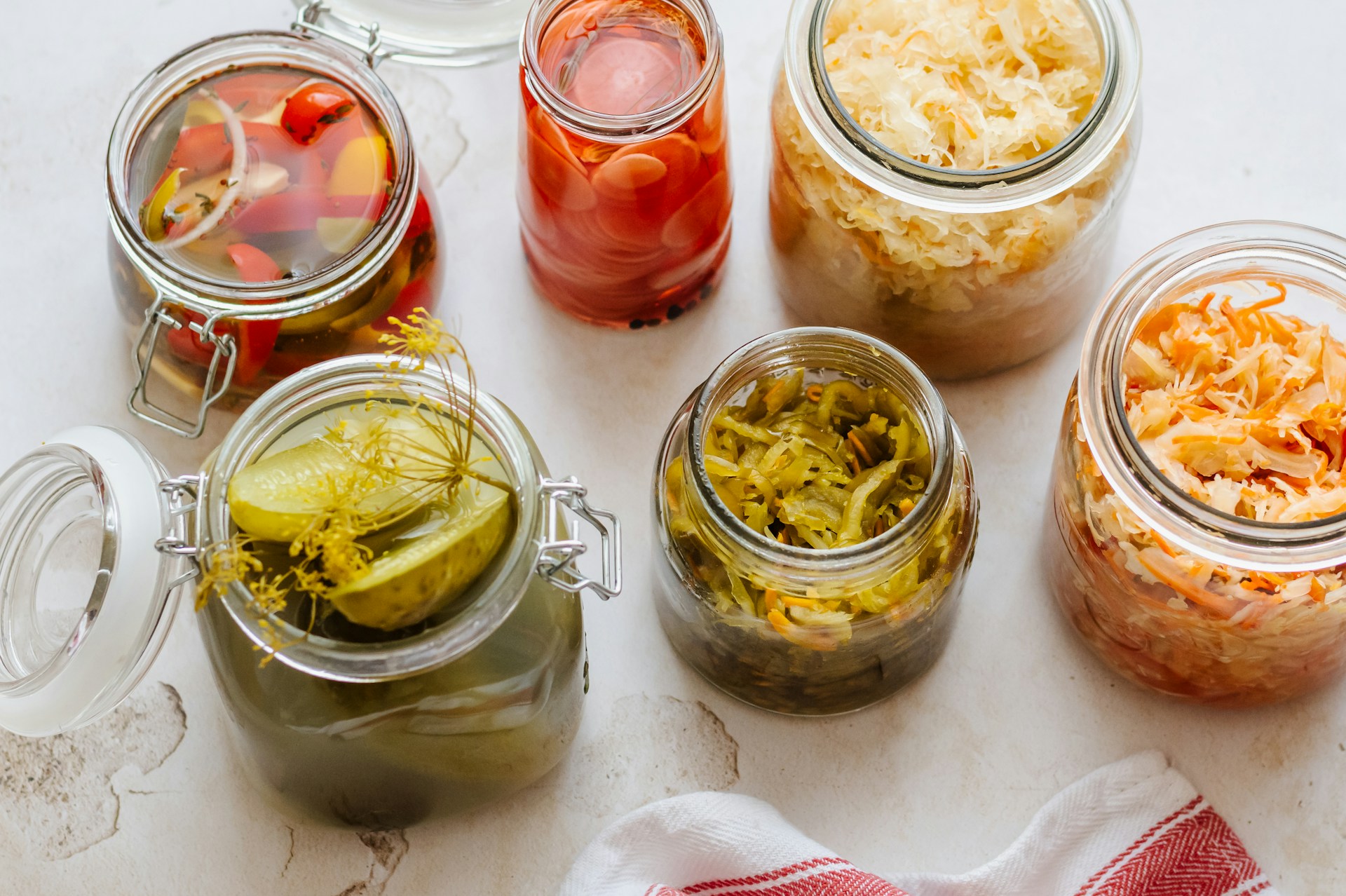
- Probiotics/Synbiotics improve gut permeability and endotoxin load.
- It reduces ALT/AST and hepatic fat.
- It improves insulin resistance.
Best option: multi-strain probiotic or probiotic + prebiotic (synbiotic).
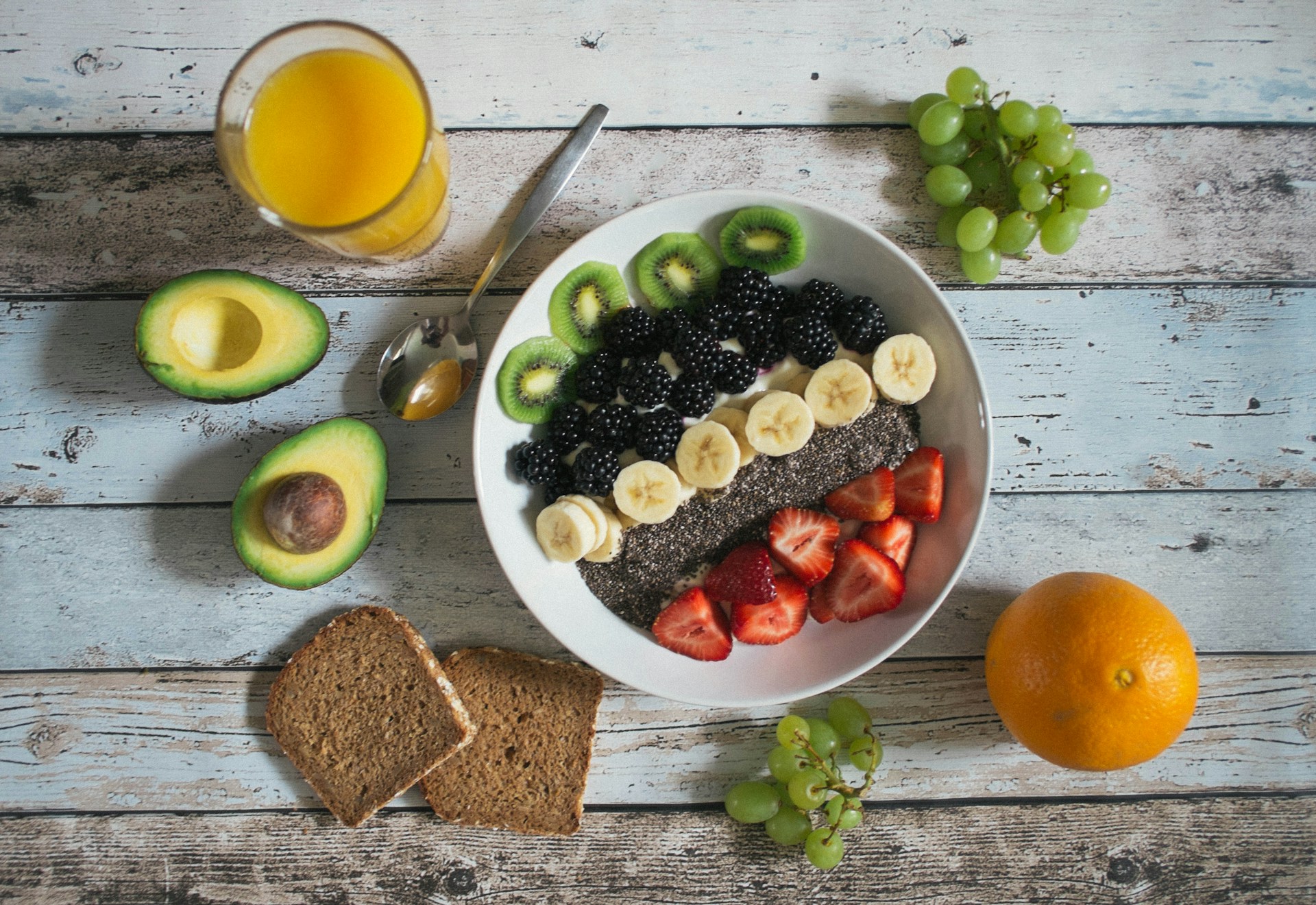
Fiber
Function:
- Gut and Immune System Improvement
- ferments and boasts the microbiome and immune system
- Heart Disease Prevention
- lowers cholesterol levels and strengthens cardiovascular health
- Digestive System Regulation
- cleans out the digestive tract
- Weight Maintenance
- keeps you full for longer, making it great for maintaining or loosing weight
- Lowered Risk of Type 2 Diabetes
helps control blood sugar levels, which is key
Recommended dose: at least 25g of fiber per day
(the average American eats 10-15g/d)
TIPS: - start low and go slow
- drink plenty of water
- aim for diversity
- Type of Fiber (soluble, insoluble)
- Food, powder, capsules